Our Ranger Program: Caring for Country, strengthening culture
The Maraura Aboriginal Corporation's Ranger Program is dedicated to protecting our land and water, preserving cultural heritage, and empowering our community. Discover how we blend Traditional Knowledge with contemporary practices to foster a sustainable future and create meaningful opportunities for Aboriginal people.
Our mission: Protecting Country, empowering community
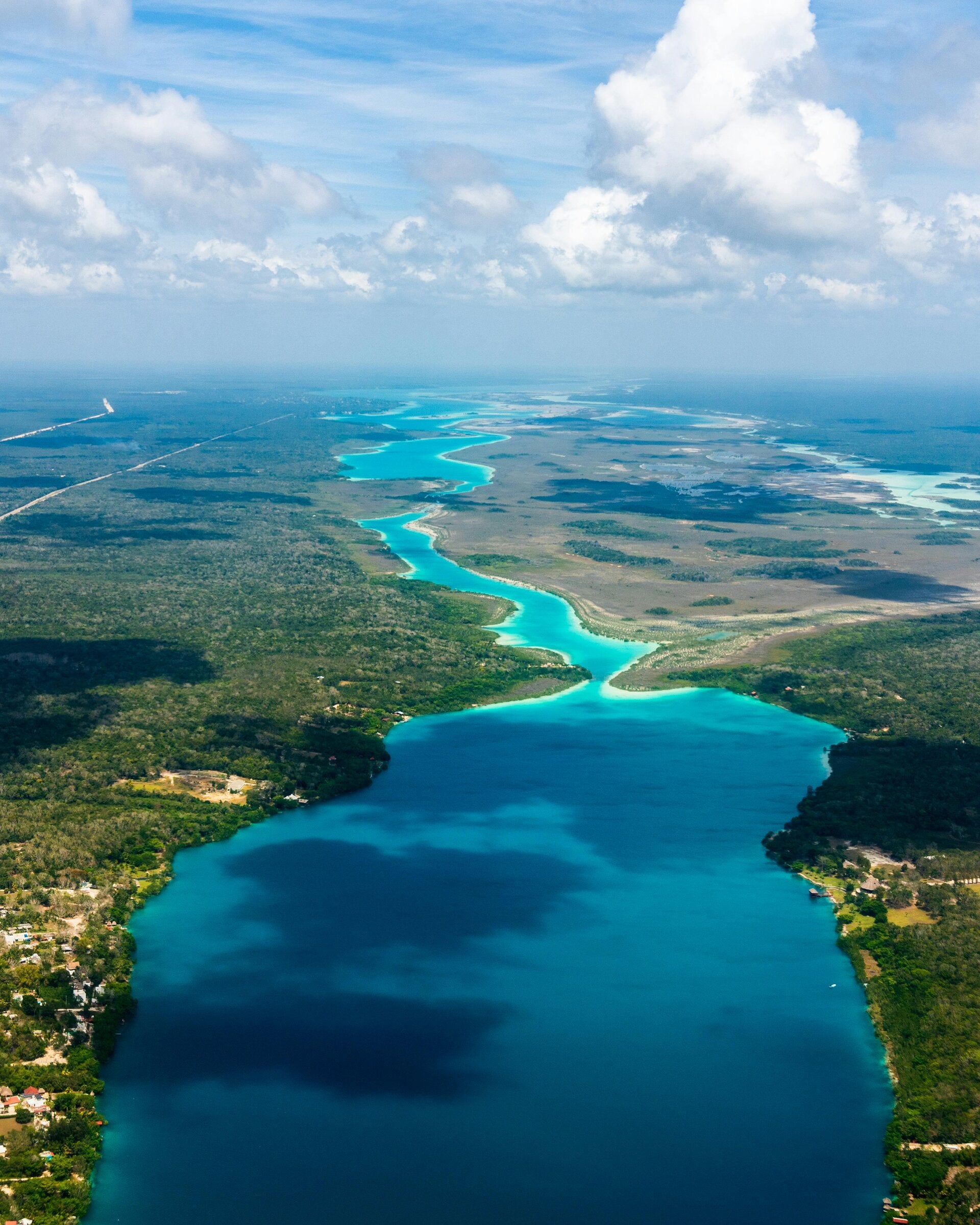
The main goal of our Ranger Program is to care for and protect Country while strengthening culture, community, and future opportunities for Aboriginal people. We support Traditional Owners and community members to use cultural knowledge alongside modern land and water management practices to look after the environment in a respectful and sustainable way.
Through this program, we aim to achieve stronger connections between people and Country, especially for young people learning from Elders and knowledge holders. It helps preserve cultural practices, protect sacred sites, improve the health of land and waterways, and support native plants and animals. The program also creates meaningful employment, training, and leadership opportunities within the community, fostering pride, wellbeing, and self-determination for future generations.
Daily life as a ranger: Activities and work
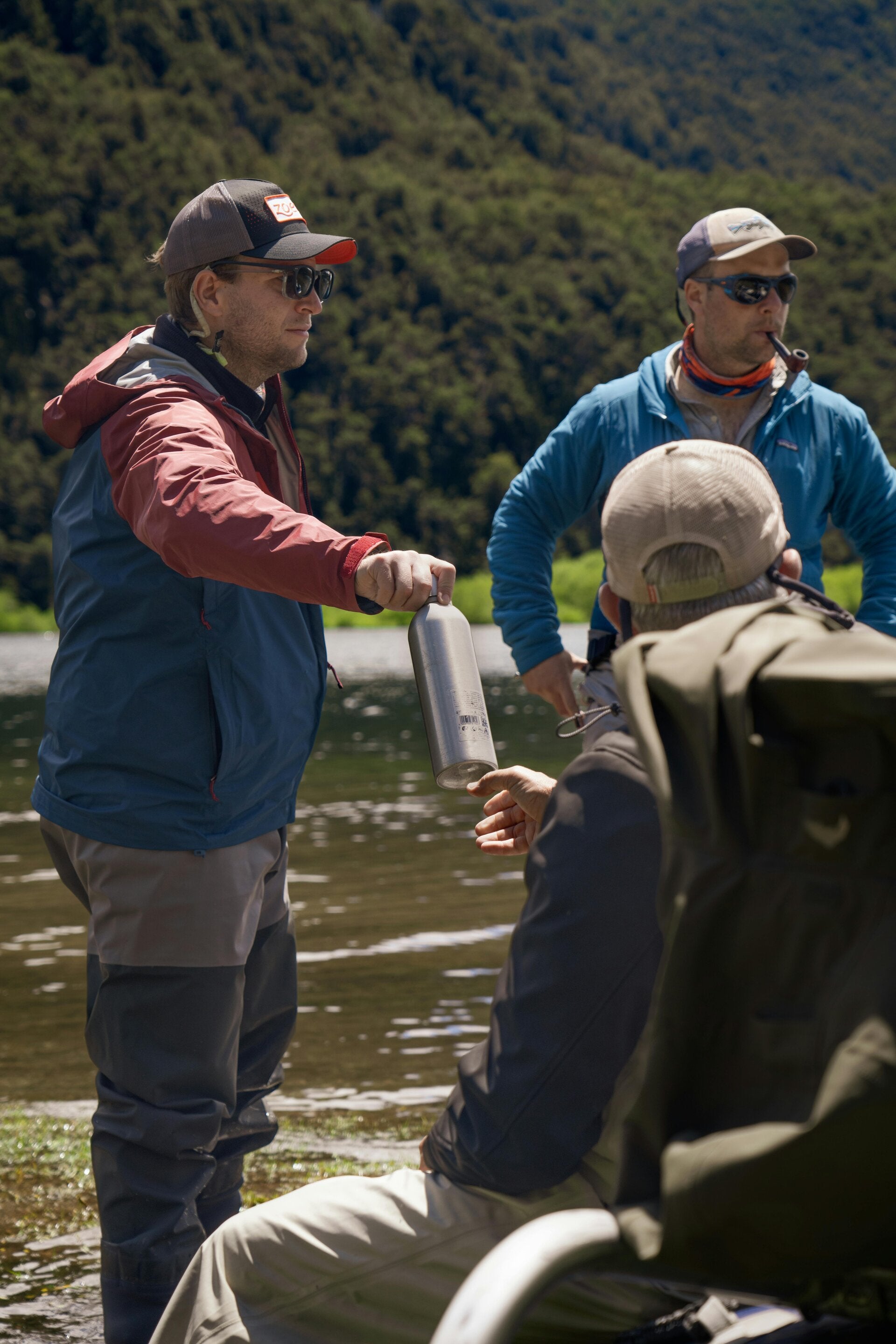
Our Rangers are involved in a diverse range of cultural, environmental, and community-based activities that help care for Country while strengthening cultural knowledge and community wellbeing. A typical day or week might begin with a team meeting or cultural briefing, followed by travel out on Country for fieldwork activities. Some days involve practical environmental work, such as weed removal, while others focus on cultural preservation or community engagement.
Some examples of activities include:
- Monitoring and protecting waterways and river health.
- Caring for culturally significant and sacred sites.
- Weed and pest animal management.
- Native plant identification and revegetation projects.
- Bush medicine and bush tucker knowledge activities.
- Cultural burning and land management practices.
- Wildlife monitoring and environmental surveys.
- Community education and school engagement programs.
- Supporting NAIDOC and cultural events.
- Water quality testing and environmental data collection.
- On-Country camps and cultural learning activities with Elders.
Opportunities for growth and connection
The Ranger Program provides many positive benefits and opportunities for participants, both personally and professionally. One of the biggest benefits is the opportunity to work on and care for Country while strengthening cultural identity and connection to community.
Participants can gain:
- Meaningful employment and career pathways.
- Accredited training and practical work experience.
- Cultural knowledge from Elders and knowledge holders.
- Skills in land, water, and environmental management.
- Leadership, teamwork, and communication skills.
- Increased confidence, pride, and wellbeing.
The program is also a great opportunity because it combines traditional Aboriginal knowledge with modern environmental practices. Rangers are able to learn hands-on skills while contributing to something important for future generations. For young people especially, the program can provide structure, mentoring, and a sense of purpose. It creates opportunities to reconnect with culture, spend time on Country, and develop valuable skills for life.
Create Your Own Website With Webador